What Is Exegesis?
Exegesis is careful interpretation that draws meaning from the biblical text. It examines the words, surrounding argument, historical setting, and kind of writing before reaching a conclusion. You do not need a seminary degree to begin, but you do need patience and a willingness to be corrected.
The opposite approach is often called eisegesis: reading your own ideas into a passage. Someone might begin with a desired outcome, find a familiar phrase, and treat that phrase as God’s approval. Sincerity cannot make that interpretation sound; the passage must actually support the claim.
Consider three questions as you study: What does the passage say, what does it mean in context, and how should I respond? Observation gathers the details, interpretation explains their meaning, and application brings that meaning into daily life. Our guide on how to decipher the Bible provides a related starting point for careful reading.
How to Understand the Bible in Context
Learning how to understand the Bible in context begins with reading each passage within the message surrounding it. Ask who is speaking, who is being addressed, and how the passage fits the book’s purpose. Then draw your application from that meaning instead of making the verse support an idea you already hold.
Biblical Truth: Faithful Bible study receives God’s Word on its own terms and submits our beliefs and actions to what it teaches.** A verse may encourage you deeply, but encouragement should rest on its true meaning. Careful interpretation helps protect believers from false promises, spiritual pressure, and confident teaching that goes beyond Scripture.
How to Understand the Bible in Context: Start With the Whole Passage

Read the paragraph before and after the verse that caught your attention. Continue through the chapter when necessary, and consider the book’s overall message. Words such as “therefore,” “for,” and “but” often connect a statement to reasoning you will miss if you read it alone.
Notice the speaker and audience as well. Scripture records faithful instruction, sinful speech, mistaken advice, and the devil’s temptations; recording someone’s words does not approve them. Ask whether the passage describes an event, commands obedience, offers wisdom, or makes a promise to a particular audience.
Recognize the kind of writing you are reading. Poetry uses imagery, a parable teaches through a story, and an apostolic letter develops instruction for its readers. Respecting those differences helps you understand the author’s intended point without flattening every sentence into the same kind of statement.
Historical background can clarify unfamiliar customs, but distinguish verified information from speculation. Begin with what the passage states clearly, then consult trustworthy study resources for questions you cannot resolve. Our discussion of the law of the Lord offers another subject where attention to Scripture’s larger setting matters.
What Does Acts 17:11 Teach?

“These were more noble than those in Thessalonica, in that they received the word with all readiness of mind, and searched the scriptures daily, whether those things were so.” — Acts 17:11, KJV
Acts 17:10 places Paul and Silas in the synagogue at Berea. Verse 11 commends the listeners for their readiness to hear and their daily examination of Scripture. They combined openness with verification instead of treating a teacher’s reputation as sufficient proof.
Verse 12 then reports that many believed. Their examination served a faithful response to the message rather than endless suspicion. The Scriptures available to these listeners were the writings we call the Old Testament; they were not checking a completed New Testament.
For believers today, the application is to examine teaching against Scripture with humility and care. A Berean mindset asks for evidence, welcomes correction, and responds when the text establishes the truth. Examine, test, verify, and honor the text. Read Acts 17 in the KJV.
A Worked Example: Philippians 4:13
“I can do all things through Christ which strengtheneth me.” — Philippians 4:13, KJV
Taken alone, this verse can sound like a promise that Christians will accomplish every goal they choose. Someone might apply it to guaranteed wealth, a business victory, or an athletic championship. Those outcomes are not what Paul establishes in the surrounding passage.
In Philippians 4:10–12, Paul discusses the Philippians’ care for him and the contentment he has learned. He describes both abundance and need, including being full and being hungry. Christ strengthens him to remain faithful through changing circumstances, including circumstances he would not naturally choose.
That meaning gives the verse strong comfort without turning it into an unlimited success pledge. You may depend on Christ while facing hardship, receiving provision, or learning contentment. Read Philippians 4:10–14 together before deciding what the statement promises. Read Philippians 4 in the KJV.
D. A. Carson’s Exegetical Fallacies
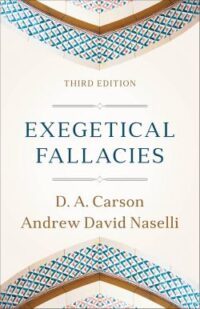
Exegetical fallacies are interpretive errors that arise when readers misunderstand language, context, or method while studying Scripture. D. A. Carson’s Exegetical Fallacies is the most widely cited guide to identifying and avoiding these mistakes. The book highlights how misusing grammar, word meanings, cultural background, or theological assumptions can distort biblical interpretation.
How Do We Recognize Misused Scripture?
Misused Scripture often appears when a conclusion outruns the passage supporting it. Watch for missing context, ignored qualifications, and promises transferred to readers without explanation. An interpretation deserves closer examination when its teacher cannot show how the surrounding verses support it.
Another warning sign is pressure to accept a claim without questions. Popularity, emotional intensity, and personal testimony cannot settle what a biblical passage means. A responsible teacher should be willing to explain the reasoning and acknowledge where the text does not answer every question.
Matthew 4:5–7 gives a serious example: the devil uses Scripture while urging Jesus to throw Himself from the temple. Jesus answers with Scripture forbidding the testing of God. Quoting biblical words does not make a proposed action faithful; the use of those words must agree with God’s revealed will. Read Matthew 4 in the KJV.
Also distinguish a difficult teaching from a distorted one. A passage may challenge your habits or expose a belief you cherish, and discomfort alone does not prove misuse. Our study of “let the dead bury the dead” explores a demanding statement that calls for careful attention to Jesus’ meaning.
Put Careful Interpretation Into Daily Practice

Begin with prayer and ask the Lord for understanding and a teachable heart. Prayer accompanies attentive reading; it does not remove the need to examine what the passage says. As you consider how to communicate with God, keep your impressions accountable to Scripture.
Choose a manageable passage and write a short summary in your own words. Identify its central claim, supporting reasons, commands, and promises before asking how it applies to your situation. Compare relevant passages carefully, allowing each to retain its own context rather than collecting similar phrases as automatic proof.
When uncertainty remains, consult a reliable commentary or a mature teacher in a Bible-teaching church. Explain which words or connections you find difficult, and examine the proposed answer together. Christians sometimes disagree about details, so distinguish clear teaching from conclusions that require further study.
Finally, name a specific response the passage calls for. That might mean confessing sin, trusting Christ during hardship, correcting a false claim, or practicing mercy. Understanding should shape obedience, including the everyday calling to love God and love others.
Keep Growing in Biblical Understanding
For further study, explore the resources on mobileShalom’s Bible studies page, including its introduction to *Knowing Scripture* by R. C. Sproul. Use study helps as companions to reading the Bible, and continue testing their explanations against the passages themselves. A helpful resource strengthens your ability to examine Scripture rather than replacing that responsibility.
Return to the text with readiness, reverence, and patience. Read the context, test the teaching, and practice what Scripture establishes. As the Living God corrects your understanding and directs your walk through His Word, remember mobileShalom’s message: **Shalom Restores What Is Broken**.
Over All, to Conquer Understanding of the Bible you must Be Born Again.
Shalom is a Blessing, a manifestation of Divine Grace.
Call or Text Someone Today and Tell Them You Love Them
The more of Jesus you place into your heart the more darkness is pushed out.

Disclosure: This page may contain affiliate links. This means at no additional cost to you. we may receive a commission if you purchase a product from one of our links. We only recommend products we trust. Disclaimer
Contact Us