
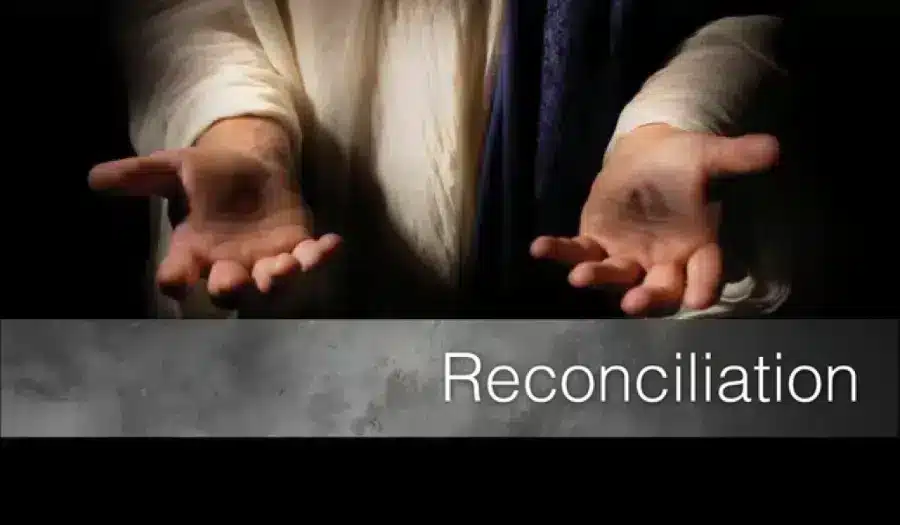






Reconciliation with God comes through Jesus Christ. Explore KJV passages explaining forgiveness, repentance, faith, and the peace believers receive.
Through Jesus Christ, sinners can receive forgiveness and reconciliation with God. Sin has broken our relationship with Him, but God has provided the way of restoration through His Son’s death and resurrection. Understanding this Biblical Truth helps us respond with repentance and faith and live in the peace Christ provides.
Reconciliation with God is a profound, personal journey. It marks the restoration of a once-broken relationship, bringing you into God’s alignment. Understanding the biblical and theological perspectives can deepen this sacred connection.
In the Bible, reconciliation is a pivotal theme. The term appears frequently in both Old and New Testaments, emphasizing its importance in spiritual life. 2 Corinthians 5:18-19 highlights that all things are from God, who reconciled us to Himself through Christ. This passage illustrates reconciliation as a divine initiative, showing God’s desire to mend what was fractured.
Similarly, Colossians 1:20 speaks of reconciliation through Christ’s sacrifice, by making peace through His blood. These verses establish the foundation: reconciliation is God’s gift, restoring harmony between you and Him. It’s a call to embrace the unity He offers, putting aside past transgressions.
Paul explains that God reconciles us to Himself through Jesus Christ (2 Corinthians 5:18–21). The initiative belongs to God, and the foundation is Christ’s atoning work. Through the gospel, people hear the appeal to be reconciled to God.
Romans 5:10 describes believers as having been reconciled through the death of God’s Son. This restored relationship gives us a foundation for gratitude, trust, and obedience. As we grow in faith, our daily conduct should reflect the mercy we have received.
Reconciliation with God is a transformative journey, bringing peace and shalom into your life. But, certain barriers often stand in the way, clouding this path to divine connection. Understanding these obstacles can help you navigate them more effectively.
Sin creates a divide between you and God. It’s like a wall that blocks the warmth of the sun. Sin makes us guilty before God and damages our relationship with Him. Sin twists your view, making you feel distant and unworthy. Romans 3:23 reminds you that all have sinned, falling short of God’s glory. But acknowledging sin is the first step toward reconciliation.
It’s about becoming aware of the barriers of sin and choosing a path back to God’s grace.
Resentment — Pride — Guilt and shame — Unresolved anger
Disbelief or doubt — Attachment to sin or destructive behaviors
Lack of genuine repentance — Not seeking forgiveness — and many more.
Sin’s grip can feel overwhelming, but it’s not insurmountable. Recognizing it allows you to seek forgiveness and turn back to God.
Scripture reveals God’s holiness, justice, love, and mercy together. Romans 5:8–9 teaches that Christ died for sinners and that those justified by His blood are saved from wrath through Him. Understanding God’s character helps us see why reconciliation requires Christ’s saving work.
Bring your understanding of God under the authority of Scripture. Examine the promises of mercy alongside the passages explaining sin and judgment. Through Christ, believers receive peace with God and can draw near with gratitude.
Simply put, it’s about aligning your heart with God’s nature, dispelling misunderstandings, and embracing His steadfast love, Life-Changing Peace Within.
Romans 5:1 teaches, “Therefore being justified by faith, we have peace with God through our Lord Jesus Christ” (KJV). Our response centres on trusting the Saviour who died and rose again. The practices below describe repentance, faith, and a life shaped by God’s grace
Walking the path toward reconciliation with God is a deeply personal journey. It demands introspection, change, and a commitment to live differently. It’s about restoring a bond with God, finding peace in the presence of God, and living out your faith. Here are the essential steps to guide you on this transformative journey.
Repentance involves turning from sin toward God. Faith rests upon Jesus Christ and His saving work. Together, these describe a response of surrender and trust as we receive the gospel.
Acknowledge your sin honestly and seek God’s mercy through Christ. Depend on His grace as you turn toward a life that honours Him. Your hope rests in the Saviour who provides reconciliation.
Forgiveness is vital in mending relationships, especially with God. It’s both sought and given. When you seek God’s forgiveness, you confess, trusting in His mercy and grace. Simultaneously, embrace forgiveness in your heart for others. Let go of grudges and resentments. Just like releasing a heavy burden, accepting and granting forgiveness brings freedom and healing. This mutual exchange promotes peace and restores shalom, the wholeness in your life and spiritual journey.
Prayer is your direct line of communication with God. It nourishes the relationship, fostering intimacy and trust. Think of it as a heartfelt conversation with a dear friend. Daily prayer encourages you to share your joys, struggles, and gratitude with God. Through this continuous dialogue, you draw closer to Him, reinforcing the bond and understanding His will more clearly. It’s in prayer that reconciliation flourishes, sustaining your spiritual growth.
Obedience grows from the new life God gives. Ephesians 2:8–10 places good works after its explanation of salvation by grace through faith. Prayer, Bible study, fellowship, and loving service help believers put their faith into practice
Grace is vital in restoring your connection with God. It closes the gap, forming the core of reconciliation. Grace is not just an idea; it’s the bedrock for healing this relationship. Understanding God’s grace reveals its power to change your life. Shalom meaning deep peace, aligns with this grace, offering wholeness.
God’s love isn’t conditional. It surpasses any barriers, reaching into the deepest parts of your heart. Even when you feel distant or undeserving, His love remains constant. Imagine a light that never fades, even in the darkest nights. This is how God’s love shines through, making reconciliation possible.
Think about the obstacles you face. Whether it’s sin, guilt, or past mistakes, God’s love overcomes them. It’s like a gentle wave washing over sandcastles of doubt and fear. By acknowledging God’s unconditional love, you open your heart to His grace, inviting reconciliation’s peace. This love assures you that no matter where you are, a path back to God is always there.
Grace is a catalyst for change. It doesn’t just brush over imperfections; it changes you from within. Once grace touches your life, it alters not only your relationship with God but also how you see yourself. Think of grace as a refining fire that purifies and renews.
This power of grace makes reconciliation not only possible but profoundly real. It encourages you to forgive yourself, just as God has forgiven you. With grace, your life reflects God’s love, and reconciliation is no longer a distant goal. It becomes a living reality, shaping your actions and thoughts.
Grace is the gift that keeps you moving toward God, like a compass pointing true north. This inner transformation allows you to embrace reconciliation, enjoy shalom, and live in peace. Together, grace and love create a new beginning, a restored bond with God.
Shalom expresses peace and well-being and can help us reflect on the restoration God provides. Romans 5:1 specifically grounds our peace with God in justification by faith through Jesus Christ. That passage gives this article its foundation for connecting reconciliation and peace.
Restored fellowship with God shapes how believers live, love, and serve. Spiritual growth continues through dependence on His grace and attention to His Word. Our message, “Shalom Restores What Is Broken,” expresses this hope of restoration.
Maintaining peace after reconciliation demands ongoing effort. It’s like tending to a garden. Neglect results in chaos, but care allows growth. To sustain shalom with God, engage in practices that nurture this peace.
By prioritizing these practices, you create an environment where peace can thrive. Shalom becomes a living reality, guiding your steps and decisions. Embrace it fully, and allow this divine peace to shape your life.
In The Path to Reconciliation, look at how Jesus brings about the supernatural transaction of reconciliation by identifying with the death, burial and resurrection of Christ in order to be the people God has created us to be.
Learn how to go beyond conflict-management to freedom and healing by learning the basics of reconciliation, repentance, reparation and forgiveness. Learn to find the problem, the soultion and then the application through real stories of people who have found incredible reconciliation with a very real God and, ultimately, with each other.
Reconciliation with God is an ongoing journey that restores broken pieces and cultivates peace in your life. It’s not a one-time event; it’s a daily pursuit. By acknowledging separation and embracing forgiveness, you align your spirit with divine intentions.
Take active steps each day toward reconciliation. Seek God’s presence through prayer and live His teachings through actions. Let His grace guide you, bridging gaps sin creates and nurturing your soul with shalom. This transformative process renews your faith, enriching every aspect of your being.
Challenge yourself to explore your relationship with God deeply and honestly. What barriers can you dismantle today? What steps can you take to strengthen this bond? Your journey toward reconciliation is personal yet powerful, promising a peace that fulfills. Embrace it wholeheartedly.
Call or Text Someone Today and Tell Them You Love Them
The more of Jesus you place into your heart the more darkness is pushed out.
Disclosure: This page may contain affiliate links. This means at no additional cost to you. we may receive a commission if you purchase a product from one of our links. We only recommend products we trust. Disclaimer
Contact Us